.jpg)
Malaga is a traditional Spanish dessert wine made from Pedro Ximénez and Moscatel grapes grown in the Malaga region of Andalusia. It is a fortified wine with high sugar content, typically ranging from 15% to 22% alcohol by volume.
How it is made
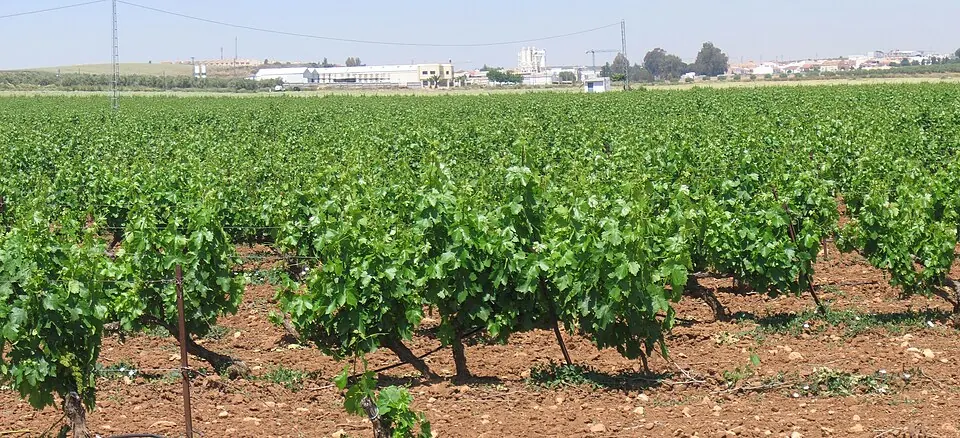
Malaga is traditionally made from white grape varieties, primarily Pedro Ximénez and Moscatel, with occasional use of Malvasia and Albillo. The grapes are often left to dry on the vines to increase sugar content, then further sun-dried on mats for 1-3 weeks. The wine is aged in American oak barrels of no more than 800 liters, using the solera system. A distinctive feature is the addition of arrope, a concentrated syrup made by reducing grape must, which gives Malaga its characteristic smoky-brown color and caramel flavors.
History
Winemaking in the Malaga region dates back to ancient times, with the Phoenicians and Romans producing wine here. The Moors allowed production to continue with the payment of taxes. Modern winemaking began in 1487 when Christian monarchs took control of the region. In the 16th-17th centuries, large quantities of Malaga wine were exported to England and Latin American colonies. The wine was highly valued for its longevity, even after opening bottles. The industry declined in the late 19th century due to phylloxera and changing consumer preferences, leading to a shift toward drier wines.
Types and styles
Malaga is classified in several ways: by alcohol content (naturally sweet or liqueur), by vinification method, by aging period, by color, and by sugar content. There are 16 officially recognized varieties. The aging categories include Málaga Pálibo (up to 6 months), Málaga (6-24 months), Málaga Noble (2-3 years), Málaga Añejo (3-5 years), and Malaga Trasañejo (over 5 years). Color classifications range from Dorado/Golden to Negro/Black, with varying amounts of arrope syrup added.
How it is served
Malaga is typically served as a dessert wine or digestif. It is also used in the preparation of Malaga specialty ice cream, which is soaked in sweet Malaga wine, typically made from Pedro Ximénez grapes, for 24 hours before serving. Due to its high sugar content and distinctive flavors, Malaga pairs well with desserts, nuts, and aged cheeses.
Adapted from the Russian Wikipedia article Малага (вино), available under CC BY-SA 4.0.