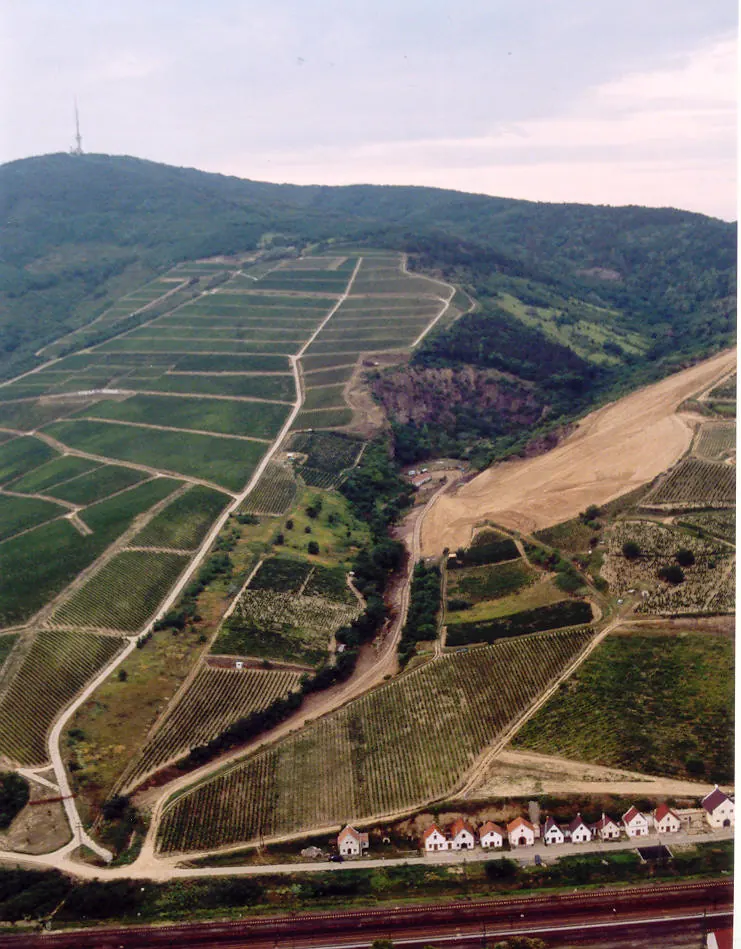

Tokaji is a Hungarian dessert wine made from late-harvest grapes affected by noble rot. It comes from the Tokaj-Hegyalja region and typically has an alcohol strength of around 10-14%.
How it is made
Tokaji is produced from Furmint, Hárslevelű, Sárgamuskotály, and Zeta grape varieties. The grapes are left to dry naturally on the vines, developing noble rot (botrytis). For the Aszú style, botrytized berries are hand-selected and added to base wine in proportions called puttonyos, with more baskets resulting in sweeter wine. The wine is aged in barrels for at least 18 months.
History
The first written records of viticulture in Tokaj date back to the 13th century, while winemaking began in the 15th century. The 'Golden Age' of Tokaj winemaking occurred during the rule of the Rákóczi family and later Count Miklós Bercsény in the 18th century. Tokaj became famous throughout Europe, earning the title 'king of wines and wine of kings' and was appreciated by figures like Voltaire and Goethe.
Types and styles
Tokaji comes in several styles: Szamorodni (made from unsorted grapes, can be sweet or dry), Aszú (sweet wine made from botrytized berries), and Esszencia (a thick, syrup-like wine with minimal alcohol and high sugar content). Traditional oxidative aging under yeast flor (similar to Sherry) is now rare. Today, nearly half of Tokaj production consists of dry wines, with increasing volumes of sparkling wines also being produced.
Adapted from the Russian Wikipedia article Токайские вина, available under CC BY-SA 4.0.