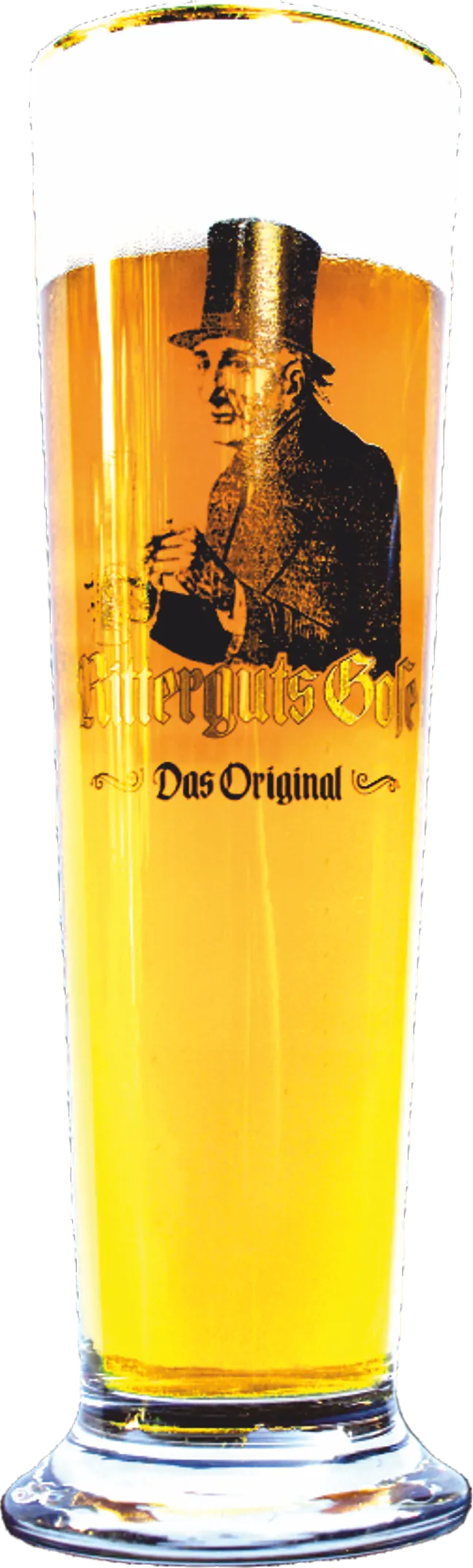

Gose is a sour wheat beer that originated in Germany. It is made with at least 50% wheat malt and has a moderate alcohol content of 4-5%.
How it is made
Gose is a top-fermenting beer made with wheat and barley malt. It is soured through inoculation with Lactobacillus bacteria, giving it a characteristic acidity. The beer is typically spiced with coriander and salt, which contributes to its unique flavor profile.
History
Gose originated in Germany, with its name coming from the Gose River in Goslar. While it has over a thousand years of history, it became most associated with Leipzig. Production in Goslar ceased in 1826, but the beer experienced a revival in Leipzig in the late 20th century, with traditional production resuming in 1986 and again in 1999.
Types and styles
Modern variations of Gose include Tomato Gose, which adds tomato juice or puree, and Mushroom Gose, which incorporates mushroom broth or ingredients. Fruit variations also exist, such as Gose with avocado, gooseberry, and mango, created by breweries in New Zealand, Scotland, and England respectively.
How it is served
Gose is traditionally served in cylindrical glasses. It can be served plain or with syrups like raspberry or woodruff, similar to Berliner Weisse. The beer's characteristic flavors include lemon tartness, herbal notes, and a distinct saltiness, with a complex taste profile that may include banana, green apple, apricot, and coriander notes.
Adapted from the Russian Wikipedia article Гозе, available under CC BY-SA 4.0.