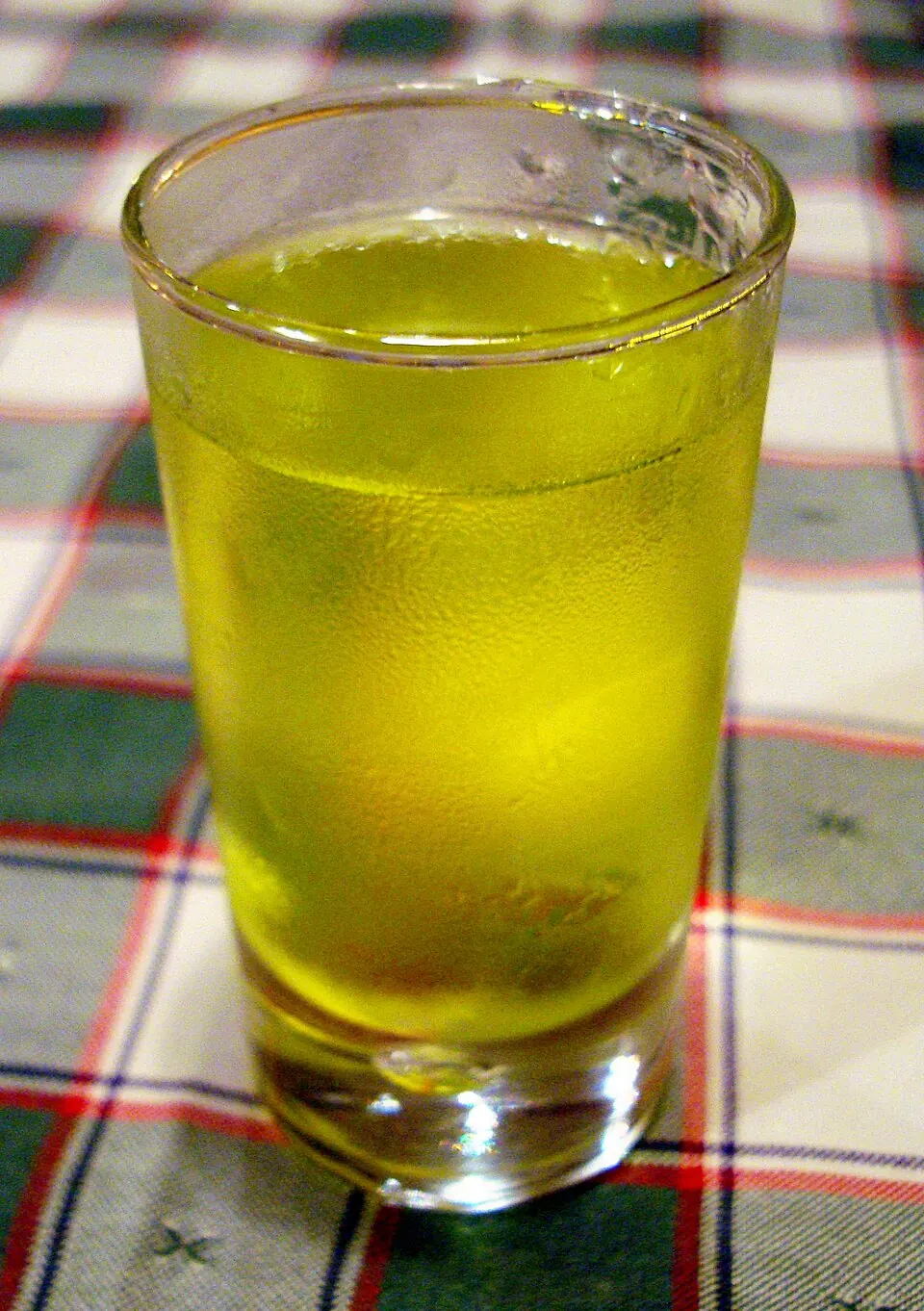

Orujo is a traditional Spanish spirit produced by distilling the leftover grape skins, seeds, and stems after winemaking. It originates from northwestern Spain and typically has an alcohol strength between 35% and 50%.
How it is made
Orujo is made from grape pomace, which includes the skins, seeds, and stems left after winemaking. The pomace is fermented and then distilled once in copper stills, a process that takes at least six hours. Some varieties are aged in oak barrels for at least two years, giving them a golden or light amber color. Others are infused with herbs, honey, spices, or coffee beans, resulting in various shades of green, yellow, or brown.
History
Historically produced in northwestern Spain regions like Cantabria, Galicia, Asturias, and Castile and León, orujo was made in monasteries in Cantabria during the Middle Ages. By the 17th century, production became widespread in Galicia, often made in rural households. The drink has significant cultural importance, with local competitions held to determine the best quality orujo. In 1989, a regulatory council was established in Galicia to regulate production and geographical designation, though orujo continues to be made in other regions under traditional names.
How it is served
Orujo is served neat, either at room temperature or chilled, typically in small glasses. It can be consumed as an aperitif, with meals, or as a digestif. In Galicia, it's used to make queimada, a traditional drink where orujo is heated with lemon peel, sugar, and coffee, then set aflame before being served hot in clay cups. This preparation is often accompanied by incantations and is believed to have mystical properties.
Adapted from the Russian Wikipedia article Орухо, available under CC BY-SA 4.0.