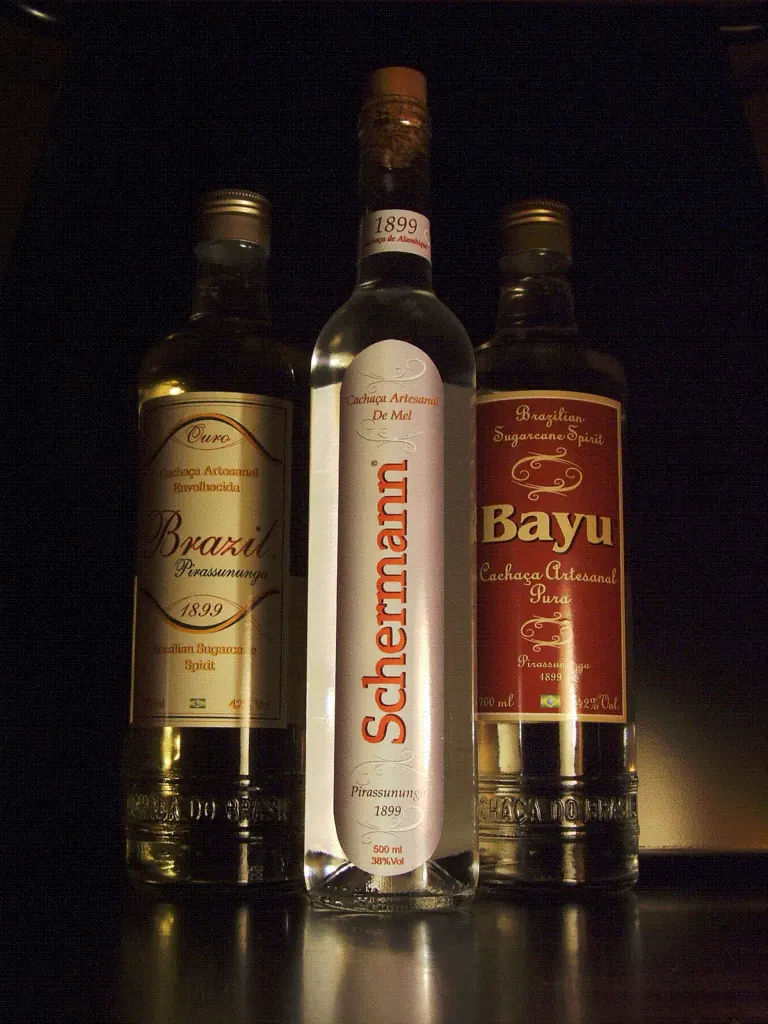

Aguardiente is a distilled alcoholic beverage with a strength of 30-60% ABV. It can be made from various raw materials including wine, sugarcane, agave, or fruits.
How it is made
Aguardiente is produced through distillation of fermented substances. In Spain, it is traditionally made from wine, particularly low-quality wine that has lost its commercial value. In Latin America, it is made from agave, sugarcane, or grapes. The final product can be improved by aging in oak barrels or adding flavorings.
History
The tradition of making aguardiente was brought to Latin America by Spanish conquistadors. In Spain, it has been produced for centuries using wine as the primary ingredient. In Galicia, the local orujo became an important part of local culture with specific rituals associated with its consumption.
Types and styles
There are numerous varieties of aguardiente including orujo from Spain, guaro from Central America, and cacique guaro. Other styles include pisco from Peru and Chile, cachaca from Brazil, and singani from Bolivia. The term can also refer to raw ethanol in some contexts.
How it is served
Aguardiente can be served neat, in punches, or in cocktails. In Spain, it is traditionally used in punches that are often set on fire before serving to reduce alcohol content. In Latin America, it is used in cocktails like the cachaça-based caipirinha from Brazil and canelazo. On this site, it is featured in the Fahrenheit 5000 cocktail.
Adapted from the Russian Wikipedia article Агуардьенте, available under CC BY-SA 4.0.
Kinds of aguardiente
Other styles
- Guaro
Well-known brands
- Cacique Guaro