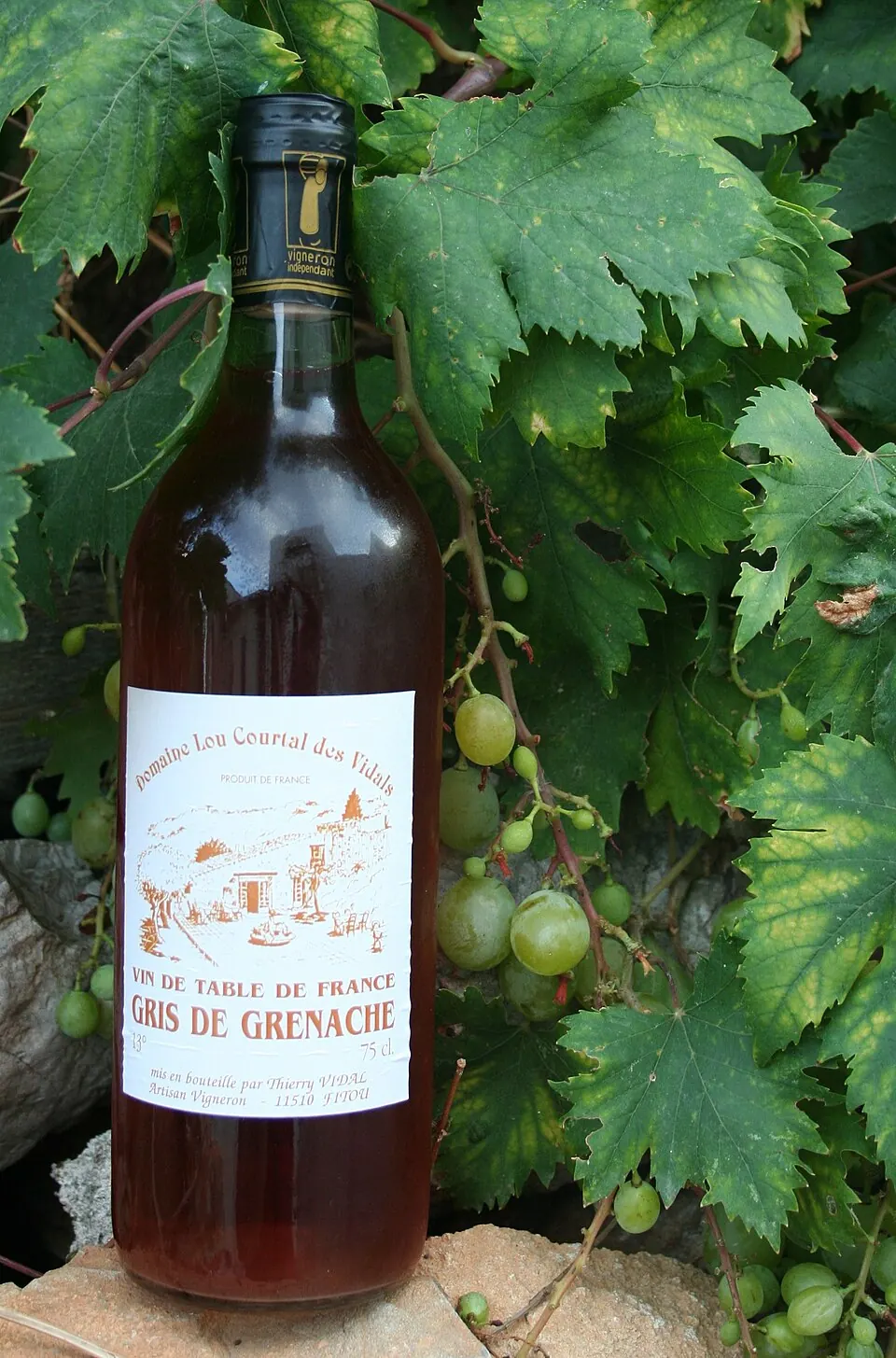

Table wine is an alcoholic beverage produced through the fermentation of fresh grapes or grape must. It typically has an alcohol content ranging from 7.5% to 18%, depending on the grape variety and production method.
How it is made
Table wine is made by fermenting fresh grapes or grape must, either crushed or whole. The fermentation process converts the sugars in the grapes into alcohol. The alcohol content generally ranges from 7.5% to 18%, though this can vary depending on grape variety, climate, and production techniques. The color of the wine depends on whether the juice is fermented with the grape skins (red and rosé wines) or without (white wines).
History
Wine has been known since ancient times. Archaeological evidence shows that wine was produced in the Caucasus and Transcaucasia regions as early as the 6th millennium BCE. The earliest known winery, dating back to the 4th millennium BCE, was discovered in the Areni-1 cave in Armenia. These discoveries suggest that the Caucasus region, Eastern Anatolia, and the area between the Tigris and Euphrates rivers can be considered the cradle of winemaking.
Types and styles
Table wines are classified by color into white, rosé, and red varieties. White wines range from light straw to amber color and can be made from white, gray, or even black grapes. Rosé wines are primarily made from black grapes, with color intensity depending on skin contact time. Red wines are made from black grapes with prolonged skin maceration. Russian legislation further classifies table wines by quality and aging: young, ordinary, aged, vintage, and collector wines, each with specific aging requirements.
How it is served
Table wine is typically served in glasses appropriate to its type. White wines are often chilled and served before or with meals, while red wines are usually served at room temperature. The wine can be enjoyed on its own or paired with various foods. Decanting may be used for aged wines to separate any sediment that has formed during storage.
Adapted from the Russian Wikipedia article Вино, available under CC BY-SA 4.0.