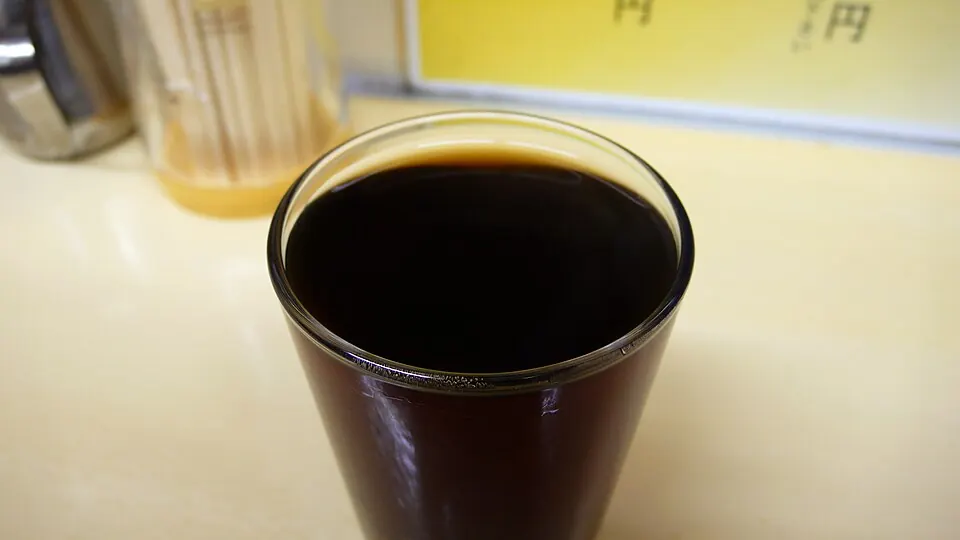

Huangjiu, or 'yellow wine', is a traditional Chinese alcoholic beverage made from fermented rice, millet, or wheat. Unlike baijiu, it is not distilled and typically contains 8-12% alcohol by volume.
How it is made
Huangjiu is made through fermentation rather than distillation. The process involves steaming grains, cooling them, and then fermenting with various types of fermentation starters (qu). The fermentation is stopped when the alcohol content reaches 8-12%, after which the wine is typically pasteurized, aged, filtered, and bottled. Different production methods include using hot rice, cold rice, or continuously adding rice to the fermentation mixture.
Types and styles
Huangjiu is classified by sweetness into five categories: dry (less than 1% sugar), semi-dry (1-3% sugar), semi-sweet (3-10% sugar), sweet (10-20% sugar), and very sweet (at least 20% sugar). It can also be categorized by fermentation starter: small qu, large qu, or red qu. Popular varieties include Shaoxing wine, Huadiao jiu, and Fujian glutinous rice wine, each with unique characteristics and alcohol content ranging from 12% to 19.5%.
How it is served
Huangjiu can be served chilled, warmed, or used in cooking. In Chinese cuisine, it is often used as an ingredient, particularly in low-grade varieties called liaojiu, which may include spices like star anise, cassia, and Sichuan pepper. Some varieties are consumed as desserts or appetizers.
Adapted from the Russian Wikipedia article Хуанцзю, available under CC BY-SA 4.0.