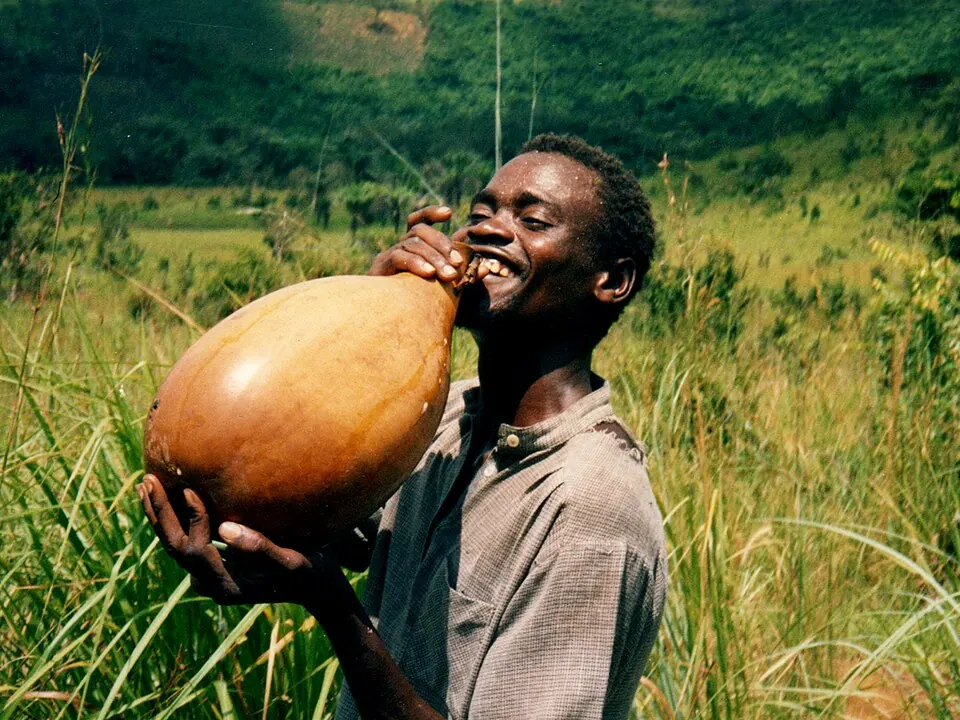

Palm wine is an alcoholic drink made from fermented plant sap, particularly date juice. It originates from Indonesia and has a typical strength that varies depending on the production method.
How it is made
Palm wine is produced by cutting the inflorescence of certain palm trees and collecting the sap that flows out. The sweet, non-alcoholic liquid begins to ferment naturally after exposure to airborne yeast. In Indonesia, it is known as tuak and is typically made from coconut palm sap.
History
This ancient beverage has been consumed since deep antiquity and is widely distributed across Asia and Africa. Different regions have developed their own variations, with various production methods and local names reflecting its cultural significance across tropical areas.
Types and styles
Palm wine styles include bahalina and sodabi. In some regions, it is prepared by slowly boiling the sap to create a thicker, more potent beverage. In Gabon, a ritual version called musungu is made by adding bitter tree bark to the palm wine, increasing its alcohol content through additional fermentation.
Adapted from the Russian Wikipedia article Пальмовое вино, available under CC BY-SA 4.0.
Styles and varieties
- Bahalina (Philippines)
- Sodabi