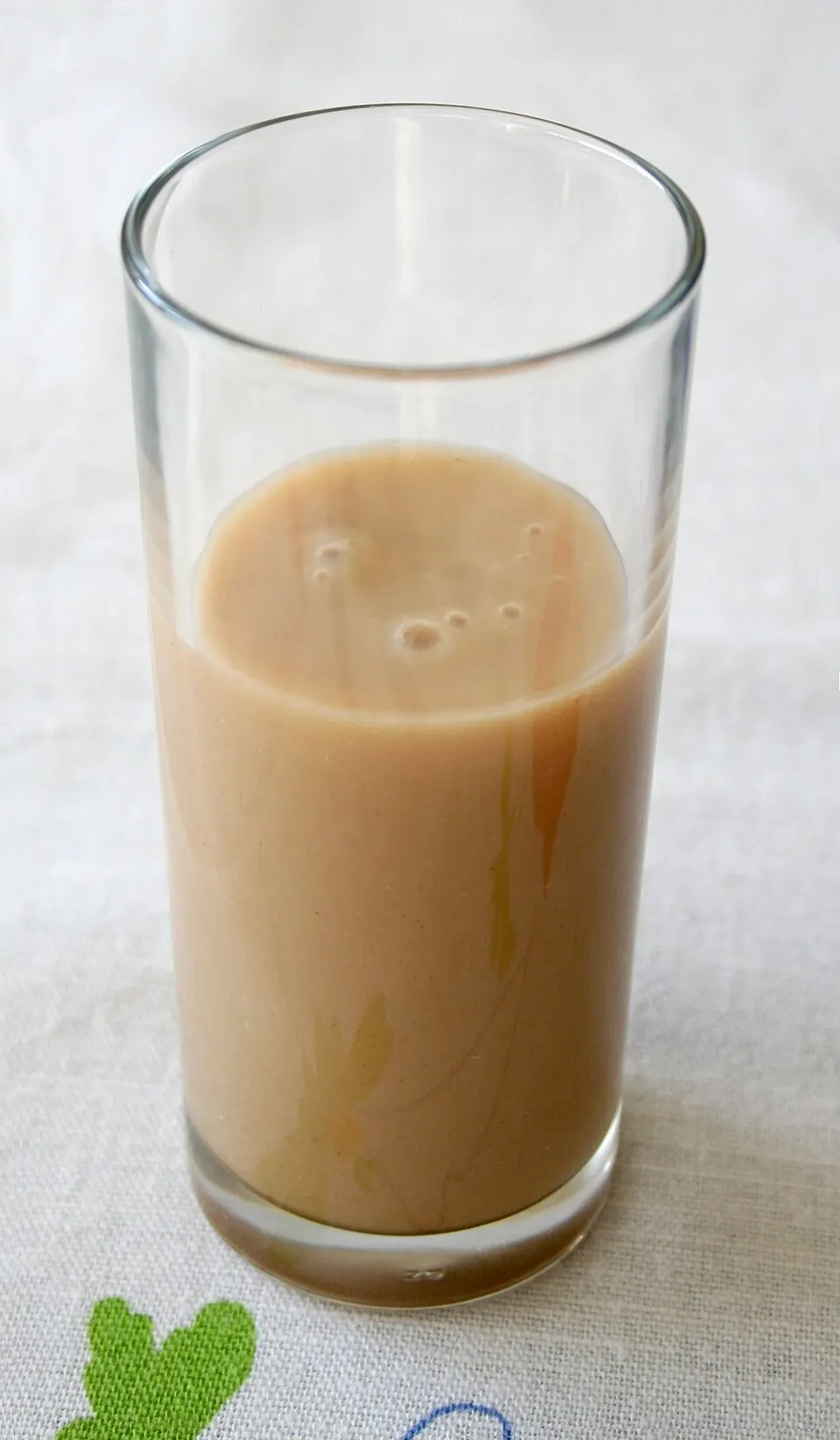

Boza is a traditional fermented beverage made from Hordeum vulgare, water, and sugar. It has an alcohol content of 4-6% and is commonly found in Turkey and other regions of Central Asia and the Balkans.
History
Boza is considered a traditional beverage among Turkic peoples and was known in ancient Russia. The drink was described by European travelers like Dominican monk Jean de Luc in the 17th century. In the Ottoman Empire, boza was widely popular, with about 300 shops selling it in Istanbul alone. Despite facing bans in the 16th century, it remained a significant part of regional food culture.
How it is made
Boza is prepared through fermentation using barley, water, and sugar. The traditional method involves adding barley grains to a mixture that may include sour milk or yeast. The beverage is then left to ferment for two to three weeks, often near heat or sunlight, before being strained through fine cloth.
How it is served
In Turkey, boza is served thick and sweet, often as a dessert with cinnamon and roasted chickpeas. It is consumed warm during the winter months. The drink is considered a sign of special respect to guests among Tatar communities.
Adapted from the Russian Wikipedia article Буза (напиток), available under CC BY-SA 4.0.