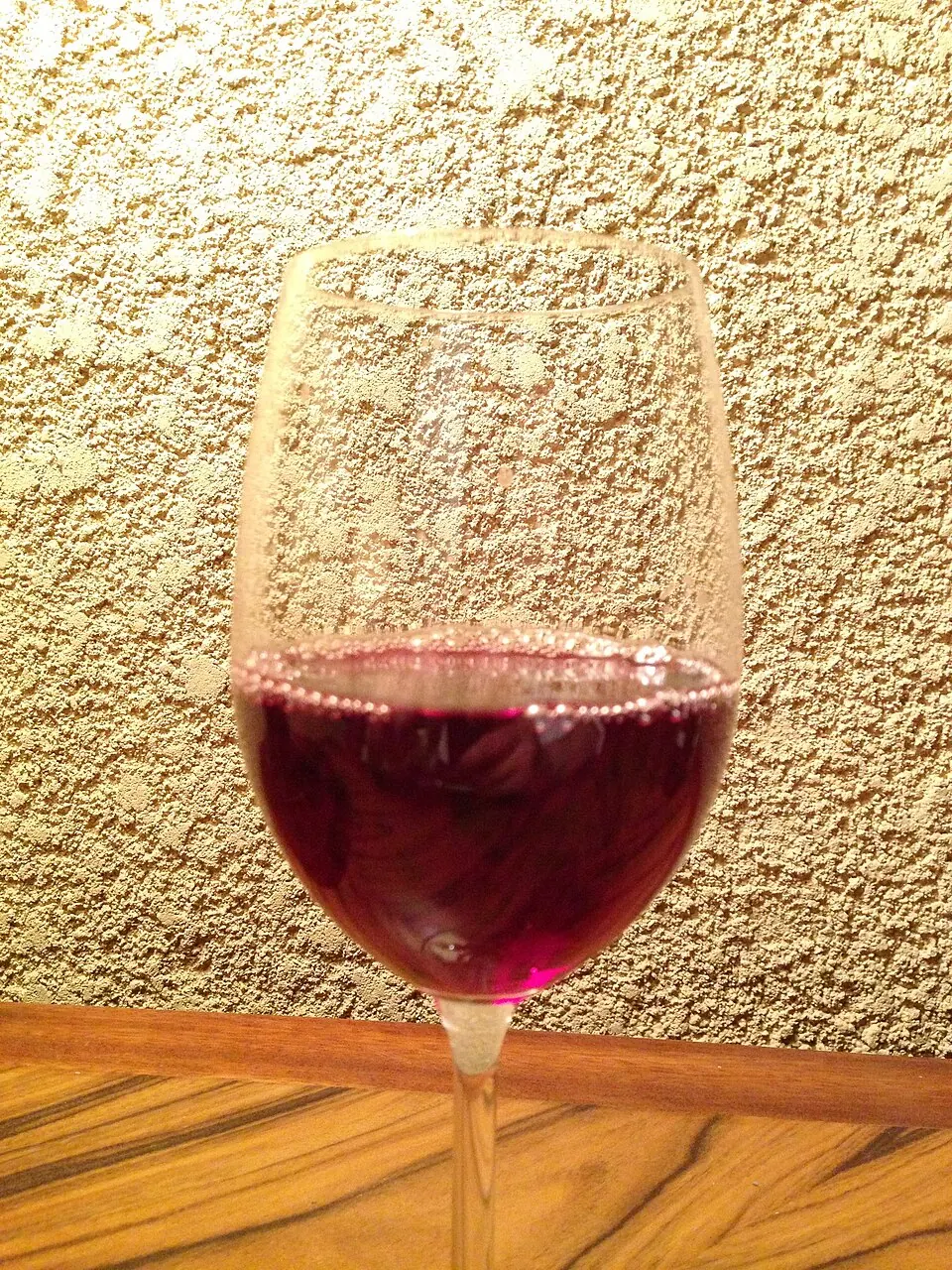

Clairet is a wine category that originated in medieval England as a term for the lightest red wines from Bordeaux. These wines, which were closer to rosé in color, were highly sought after in England for centuries.
History
The term 'clairet' emerged in High Medieval England when the region of Bordeaux was under English rule. It referred to the lightest red wines from Bordeaux, made from ancestors of modern grape varieties like Cabernet Sauvignon and Merlot. These wines, practically on the border between red and rosé, were extremely popular in England, with massive quantities imported each year. By the late 14th century, claret accounted for the majority of wine produced in Bordeaux and was also being made in other French regions like Burgundy and the Loire Valley.
Types and styles
In modern French winemaking, 'clairet' is officially designated for a specific Bordeaux appellation called Bordeaux Clairet. These wines represent an intermediate form between red and rosé wines, closely resembling the original historical style of claret. The name 'claret' later became adapted in English, losing the 'i' to become the more familiar spelling. While the term has evolved over time and lacks a single international definition, it continues to refer to dry red wines of Bordeaux type.
How it is made
Historical production methods for claret were focused on volume rather than quality. The earliest surviving professional description from 1622 indicates claret was made from a mixture of dark and light grapes without specifying proportions. These wines often underwent minimal aging and were sometimes shipped directly after production, with storage time limited to just days needed for delivery. Quality improved significantly by the late 17th century through better production techniques, longer barrel aging, and the use of higher-quality corks for more reliable bottled storage.
Adapted from the Russian Wikipedia article Кларет, available under CC BY-SA 4.0.