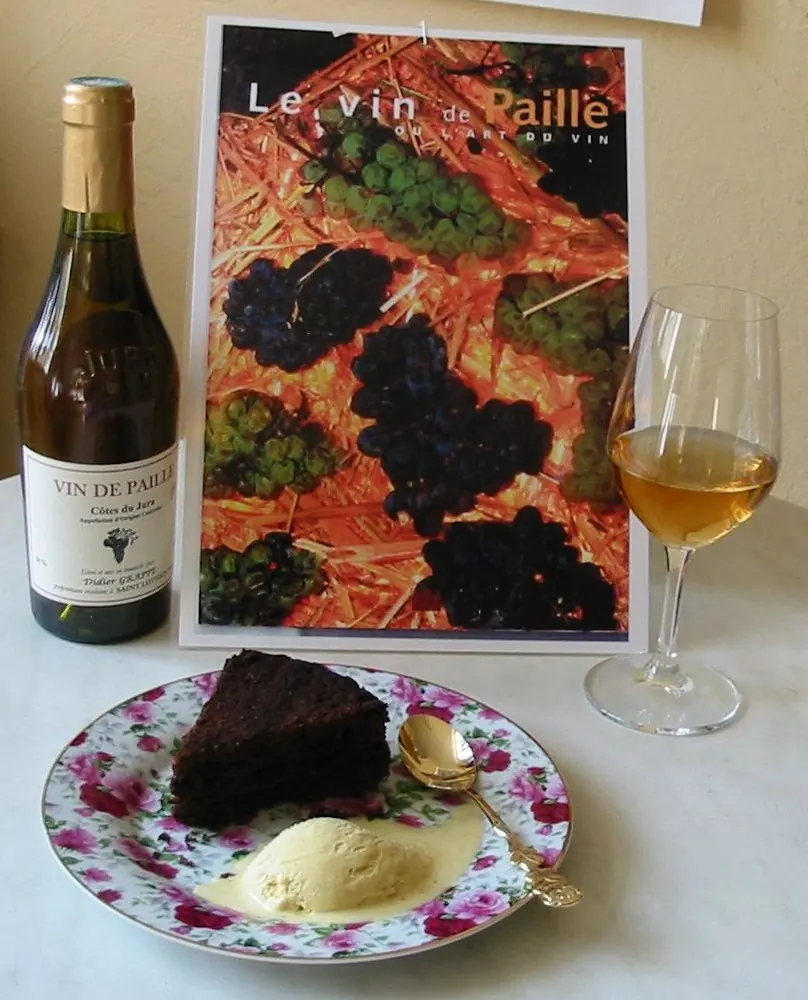

Straw wine is a type of wine made from partially dried grapes, which concentrates sugars and flavors. It originates from ancient winemaking traditions and is typically sweet with higher alcohol content than regular wines.
How it is made
Straw wine is made by drying grapes either on the vine or after harvest to reduce water content and concentrate sugars and flavors. The drying process can take weeks or months, depending on the desired sweetness and style. In Italy, this method is called appassimento. The dried grapes produce less juice but result in a richer, more concentrated wine.
History
The practice of drying grapes for wine production dates back to ancient times, with mentions by Hesiod in the 8th century BCE. Ancient Greeks and Romans produced wines from dried grapes, with the Romans calling it passum. During medieval times, dried grape wines were highly prized for their longevity and sweetness. The tradition continued through centuries, with notable examples like Cypriot Commandaria and Greek Malmsey.
Types and styles
In Italy, straw wines are primarily known as passito or passito wines, often made from varieties like Muscat, Malvasia, and Aleatico. Different regions have their own specialties, such as Recioto in Veneto and Vin Santo in Tuscany. Outside Italy, similar wines are produced in France as vin de paille, in Germany as Strohwein, and in other regions with varying grape varieties and production methods.
How it is served
Straw wine is typically served as a dessert wine due to its natural sweetness. It pairs well with desserts, particularly those with nuts, dried fruits, or caramel flavors. In some regions, it's also enjoyed with aged cheeses or as an aperitif. The concentrated flavors and higher alcohol content make it suitable for sipping slowly.
Adapted from the Russian Wikipedia article Пассито, available under CC BY-SA 4.0.