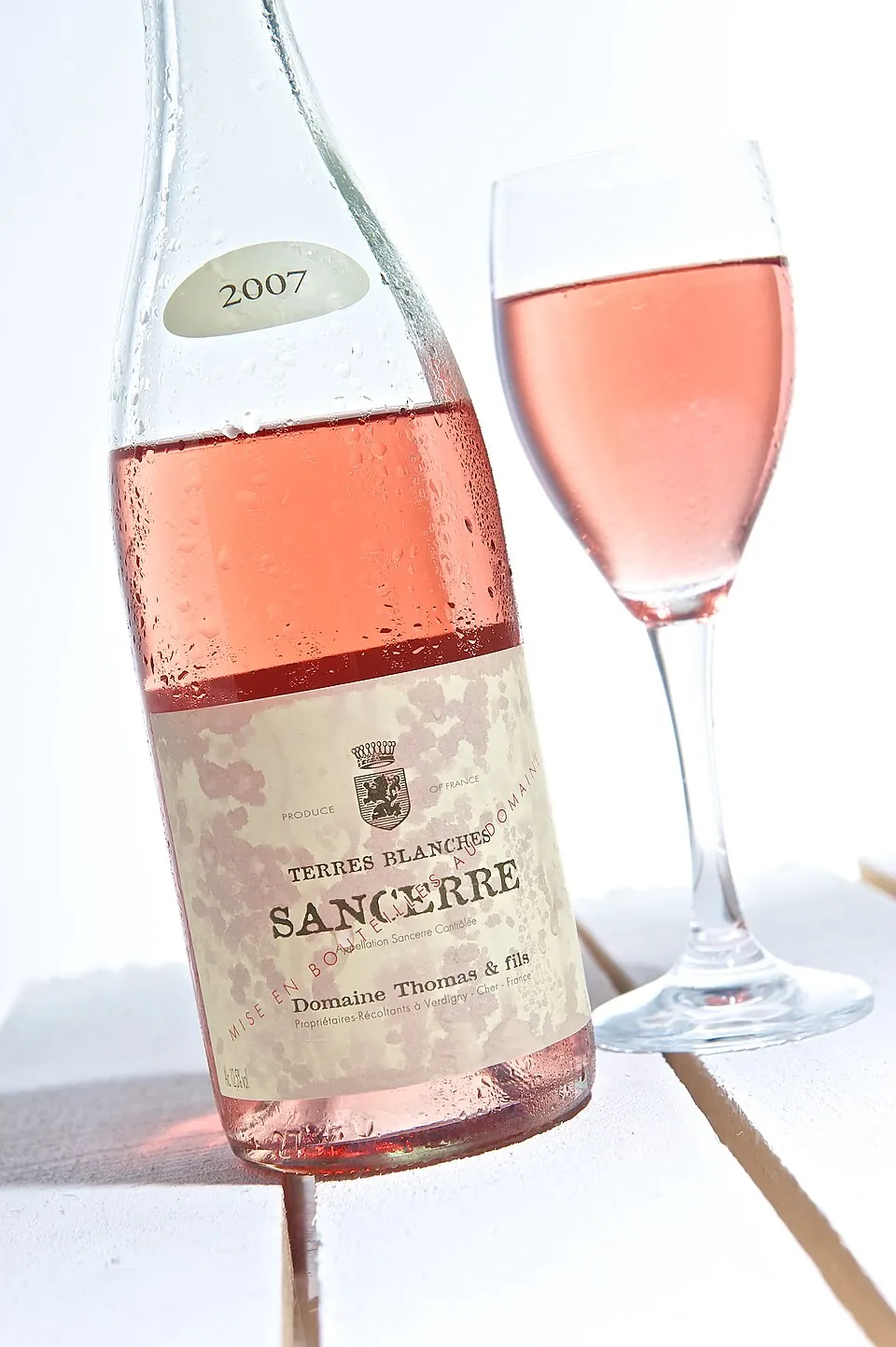

Rosé is a wine produced using red grape varieties with brief skin contact. It comes from various regions worldwide with an alcohol content typically similar to other wines.
How it is made
Rosé is primarily made from red grapes with limited skin contact. The main production methods are direct pressing, where black grapes are crushed and the juice quickly gains color before being pressed, and maceration, where the juice ferments with the grape skins for a short time. The color ranges from pale to deep pink depending on skin contact duration and grape variety.
History
Rosé is sometimes considered the oldest type of wine, as ancient winemakers avoided long maceration, making their red wines resemble modern rosé. In medieval times, English barons were served 'wine of one night' from Aquitaine, and Bordeaux's 'vin claret' was described as having the pale pink color of a dying partridge's eye. Provence in France is a traditional production center, with one-third of the world's rosé coming from there.
Types and styles
Rosé wines can be dry or sweet, fortified, or vintage. Other styles include Vin gris, Oeil de perdrix, and Rotling. In the EU, rosé cannot be made from white grapes, though this exception exists for rosé champagne in France. Some producers use the 'pinking' method with white grape varieties to create rosé wine.
How it is served
Rosé wines are typically served at 10-12°C and are best consumed within one to two years of production. They have a subtle flavor profile and pair well with various dishes. Common serving suggestions include as an apéritif with salads, cheese, or sandwiches, and with fish and seafood dishes. On this site, you can find rosé used in Frosé and Rivington Punch cocktails.
Adapted from the Russian Wikipedia article Розовое вино, available under CC BY-SA 4.0.
Styles and varieties
- White Zinfandel (United States)
- Vin gris
- Oeil de perdrix
- Rotling