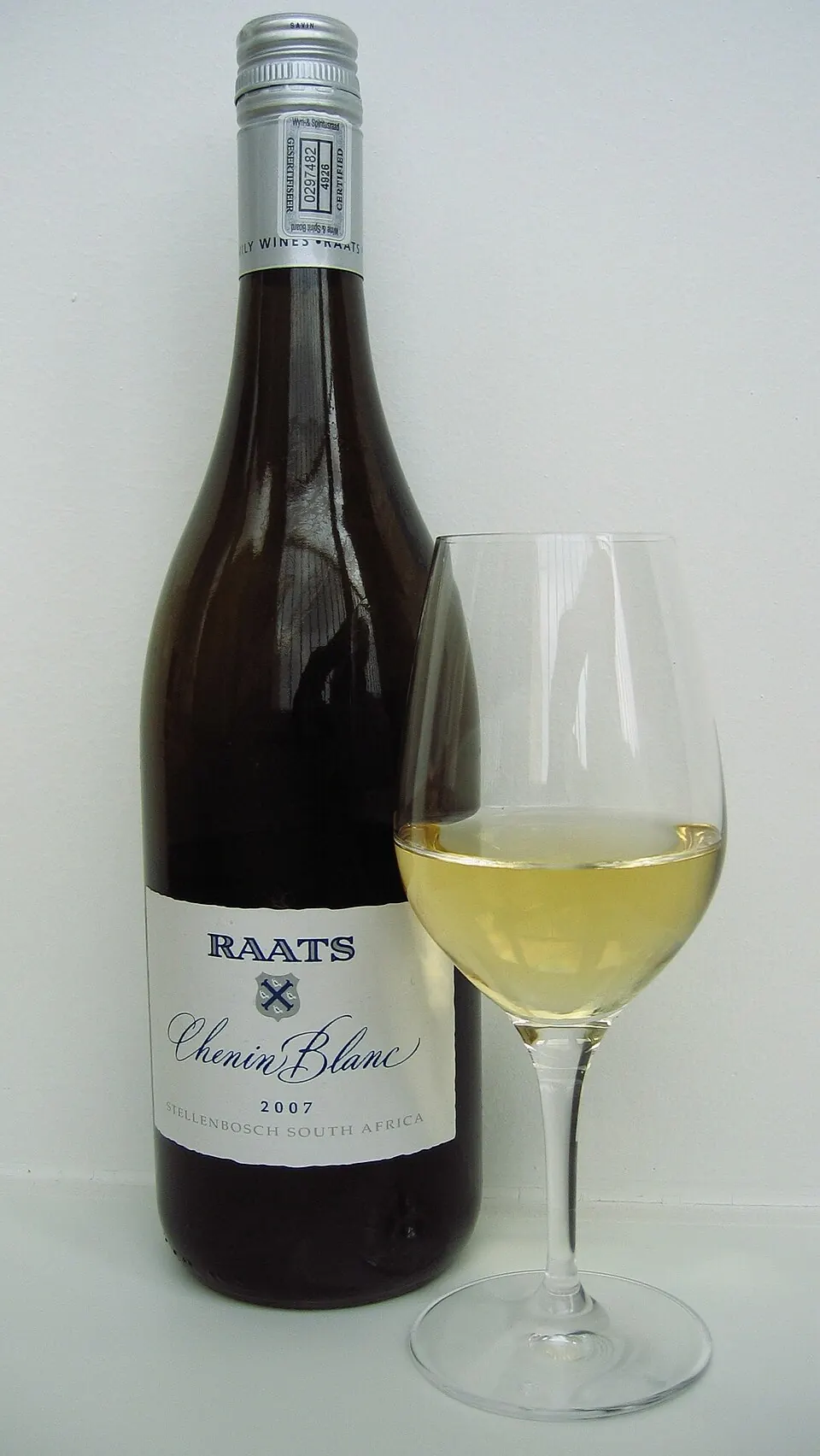

South African wine is produced in various regions across the country, with the first wine made in 1659. The wines range from dry reds like Pinotage to whites including Chenin Blanc, typically with alcohol content between 12-15%.
History
South African wine production began on February 2, 1659, when Jan van Riebeck recorded the first harvest in the Cape Colony. The industry was influenced by Dutch settlers and later French Huguenots who brought grapevine cuttings. For much of the 20th century, the KWV cooperative dominated production, focusing on fortified wines for export until the end of apartheid opened new markets.
How it is made
South African wines follow a classification system called Wines of Origin (WO), with five levels from unit down to estate. The system requires at least 85% of the grape variety to be used in the wine. Key red varieties include Pinotage (a cross between Pinot Noir and Cinsault), while white varieties feature Chenin Blanc (locally called 'Steen') and Sauvignon Blanc.
Types and styles
South Africa produces both still and sparkling wines. The country is particularly known for Pinotage, its signature red grape variety. Sparkling wines are produced using the 'Méthode Cap Classique' traditional method, similar to Champagne. The main wine regions are Stellenbosch, Paarl, and Franschhoek, each with distinct terroirs and wine styles.
How it is served
South African wines are served in various ways depending on the variety. Chenin Blanc pairs well with seafood and poultry, while Pinotage complements grilled meats and rich dishes. The country's sparkling wines are served as aperitifs or with celebrations. South African wines are typically served at cellar temperature for reds and chilled for whites and sparkling varieties.
Adapted from the Russian Wikipedia article Виноделие в ЮАР, available under CC BY-SA 4.0.